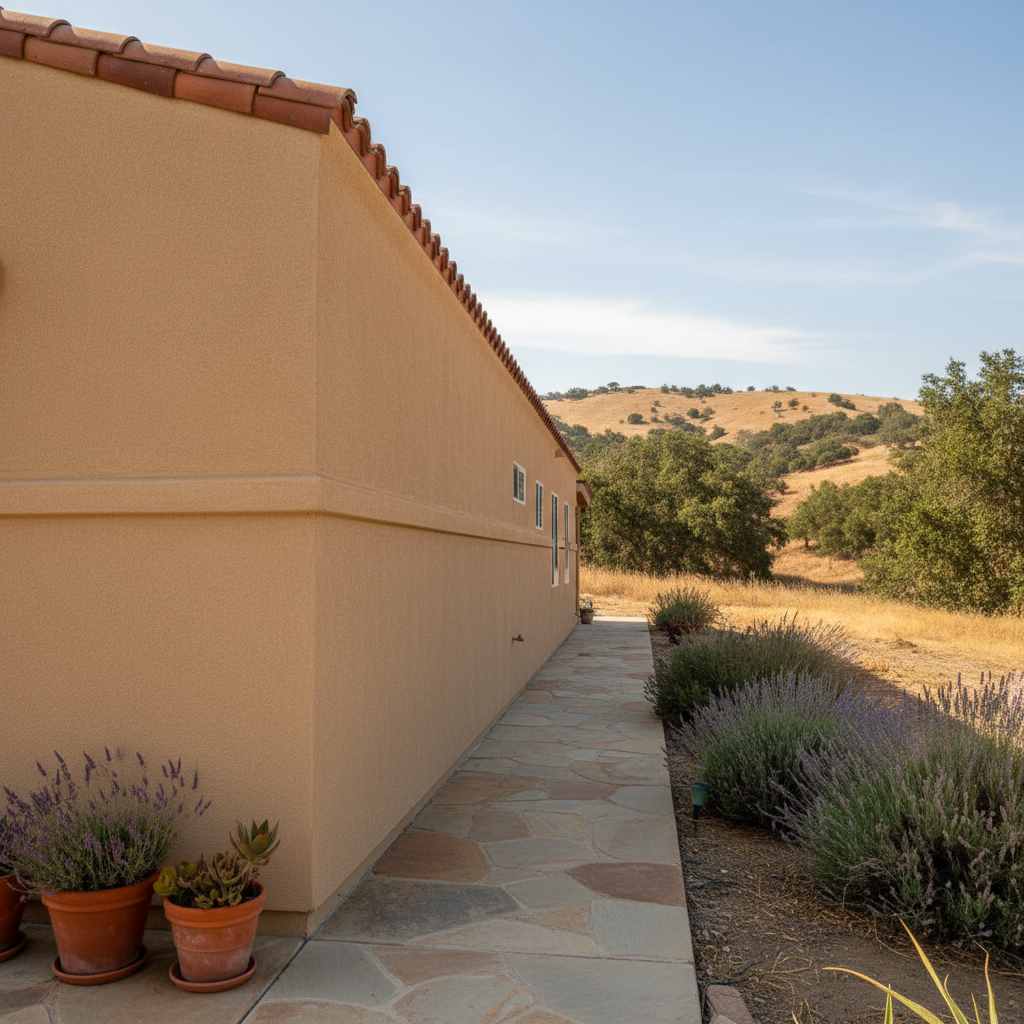
So, you've got EIFS on your place here in Salinas. Maybe it's a newer building out in Creekside, or an older commercial spot downtown that got a facelift. Either way, you picked well – EIFS is fantastic for insulation and can look super sharp. But like anything else, it's not something you can just put up and forget about. You really do need to take care of it if you want it to last and keep doing its job.
Making Your EIFS Last Longer
The biggest thing you can do to make your EIFS installation last is pretty simple: keep it clean and keep it dry. Sounds obvious, right? But honestly, that's where most problems start. EIFS is built to shed water, but if water gets trapped behind it, you're asking for trouble. Here in Salinas, we don't get a ton of rain, but when it comes, it can really pour. And then we get those long, dry spells that just bake everything.
First off, make sure your gutters and downspouts are always clean and sending water away from the walls. I've seen so many issues begin because a clogged gutter just dumped water right down an EIFS wall for months. That constant drip, drip, drip wears down the finish and eventually finds its way into tiny cracks. Also, trim back any trees or shrubs that are rubbing against the EIFS. That constant friction can rub away the finish, creating weak spots. Plus, foliage holds moisture right against the wall, which is exactly what you want to avoid.
Another big one: don't let things lean against your EIFS. Ladders, bikes, gardening tools – they can all scratch or dent the surface. EIFS is tough, but it's not bulletproof. A small puncture, and suddenly you've got a big problem if water gets in.
Quick Maintenance Checks for EIFS
You don't need to be an expert to do a quick visual check. I tell my clients to do this at least twice a year, maybe once after our winter rains and again before the really hot summer hits. Just walk around your building and take a good look:
- Look for cracks: Hairline cracks are pretty common, especially around windows and doors where there's more movement. Most of the time, these aren't a huge deal if they're just in the top coat, but if they're wider than a credit card or you can see into the material underneath, that's a red flag.
- Check for discoloration: Any dark streaks, especially under windows or near the roofline, usually mean water is getting in somewhere. Green or black spots? That could be mold or mildew, which points to constant moisture.
- Feel for soft spots: Gently press on the EIFS, especially near the bottom or around openings. If it feels spongy or soft, that's a bad sign. It means water has probably gotten behind the system and is affecting the stuff underneath.
- Inspect sealants: The caulk around windows, doors, and where the EIFS meets other materials (like a foundation or roof) is super important. If it's cracked, dried out, or pulling away, it needs to be replaced. This is often your first defense against water getting in.
- Clean it: Every couple of years, give your EIFS a good cleaning. Use a soft brush and a mild detergent, or a low-pressure power washer (and I mean LOW pressure – you definitely don't want to blast the finish off). Just get rid of the dirt, dust, and any surface mildew.
Warning Signs of Bigger Problems
Beyond those regular checks, there are some things that should really make you pick up the phone. These aren't just cosmetic issues; they're signs of potential water damage that could be affecting the structure underneath.
- Bulging or bubbling: If you see areas where the EIFS is pushing out or looks like it has blisters, that's almost always water trapped behind it.
- Persistent moisture: If a spot on your EIFS wall stays wet long after it's rained, or if you see water stains that keep reappearing, there's a leak.
- Mold or mildew inside: If you're seeing mold growth on interior walls that are backed by EIFS, especially after rain, that's a definite sign of a breach.
- Cracks that grow quickly: A small crack is one thing, but if you notice a crack getting significantly longer or wider in a short period, something's moving or failing.
- Insect infestations: Termites and other pests love damp wood. If you've got water intrusion behind your EIFS, it creates a perfect environment for them.
When to Call a Professional
Look, I'm a big believer in DIY when it's appropriate, but EIFS repair isn't usually one of those times. If you see any of the serious warning signs I just mentioned – bulging, persistent moisture, interior mold, or rapidly growing cracks – you need to call someone who knows EIFS. Don't try to just caulk over a bulge; you'll trap the water and make it worse.
A professional EIFS contractor, like us at Salinas Stucco & Plastering, can properly figure out what's wrong. We've got the tools and the experience to pinpoint where the water's coming from, how much damage has been done, and the right way to fix it without causing even more problems. Sometimes it's a simple re-sealing, other times it might involve cutting out a section to repair the substrate. It's always better to catch these things early. Ignoring them will only lead to more extensive, and more expensive, repairs down the road.
Keeping your EIFS in good shape isn't rocket science, but it does require a little attention. A few minutes of checking now and then can save you a lot of headaches and money in the long run.